English
▼
Press ESC to close

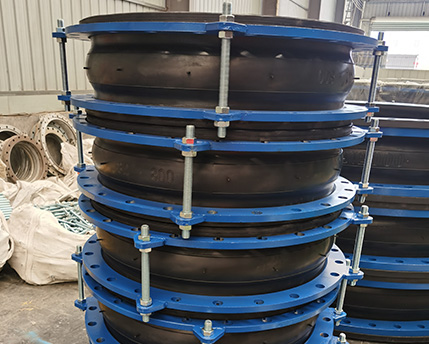
In municipal water supply and drainage, chemical, power plant, and seawater desalination projects, large-flange rubber expansion joints are gradually replacing traditional rubber expansion joints due to their structural advantages of full-coverage flange sealing, pull-out prevention, and high-pressure leak-proof design. Many procurement processes, lacking understanding of selection standards, have resulted in operational problems such as flange detachment, leakage, and short-term aging damage.
First, understand the operating conditions: In what scenarios are large-flange rubber expansion joints required?
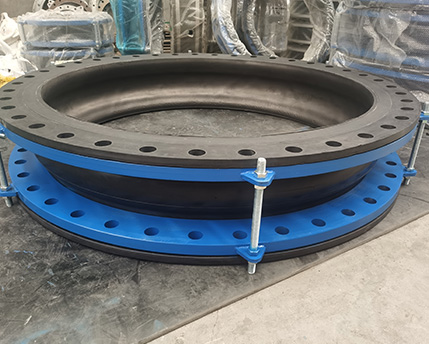
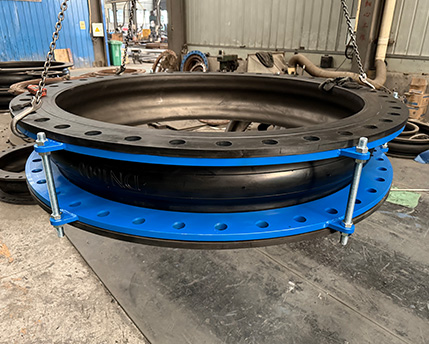
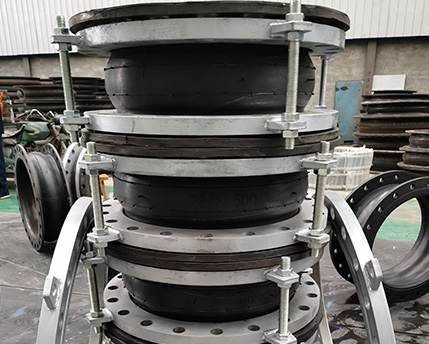
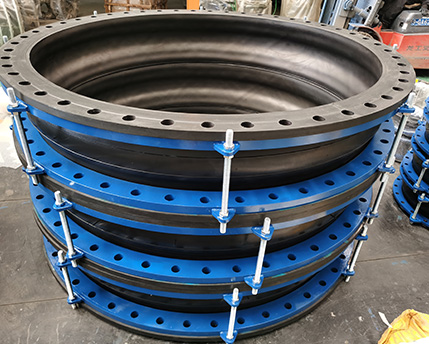
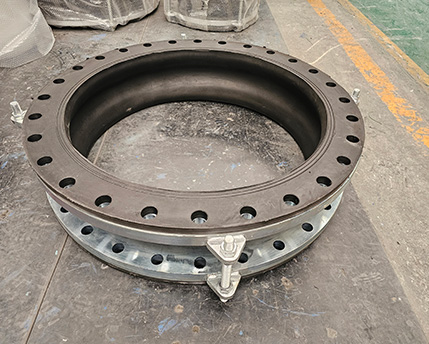
The large-flange rubber expansion joint differs from other rubber expansion joints in that the rubber end face is completely turned outward, fully covering the flange sealing surface. When the bolts are tightened, the rubber is in close contact with the entire flange surface, doubling the resistance to pull-out and the sealing performance. It is primarily suitable for four types of harsh working conditions:
1. High-pressure pump pipelines: Pump room inlet and outlet, circulating booster systems, PN16/PN25 high-pressure conditions, large water pressure fluctuations, frequent water hammer, ordinary joints are easily pulled out by pressure;
2. Chemical corrosion pipelines: Transportation of acid and alkali solutions, ammonia, and chemical waste liquids, leakage can easily cause safety accidents, the large-flange multiple seals prevent media leakage;
3. Seawater/coastal projects: Seawater desalination, coastal municipal water supply, salt spray corrosion of flanges, the flanged rubber wraps around the flange sealing surface to isolate seawater corrosion;
4. Overhead/vertical installation pipelines: Riser pipes are laid in the air without fixed supports, the pipeline’s own weight + media pressure can easily pull the joint, the large-flange structure significantly improves tensile strength.